
Midlife, menopause and microdosing
Midlife, perimenopause & menopause.
Nobody prepared us for this chapter. We were handed a list of symptoms and a quiet message to fade gracefully into the background. Sleepless nights, foggy mornings, moods that arrive without asking, and a desire that seems to have packed its bags. Finding support that takes the whole of you seriously can feel like a task in itself.
Women’s health has rarely been looked at as a whole life. It’s been looked at as a list of problems.
Hormones do far more than shape our cycles. Estrogen also influences the brain systems involved in mood, memory and how we respond to stress. During perimenopause, its fluctuations can make this chapter feel unpredictable. Psilocybin acts on serotonin receptors, bringing it into a conversation that women’s health has too often overlooked: the relationship between hormonal change, emotional life and the brain’s capacity to adapt.
That connection is one reason women are curious about microdosing at midlife. It gives us a compelling question to explore, while the evidence for treating menopausal symptoms with microdoses is still developing.
There’s a reason mushrooms belong in this story. In nature, they’re the great transformers. They take what has ended and turn it into something new. That image feels right for a chapter that asks us who we are becoming, and what we want our lives to be for.
Midlife isn’t a decline. It’s a rite of passage.
The years of carrying everyone else loosen their grip, your voice gets sharper, your patience for nonsense gets shorter, and you finally know what you want. This is your wise-woman era, and it deserves to be entered with full power.
3 ways in for this experience.
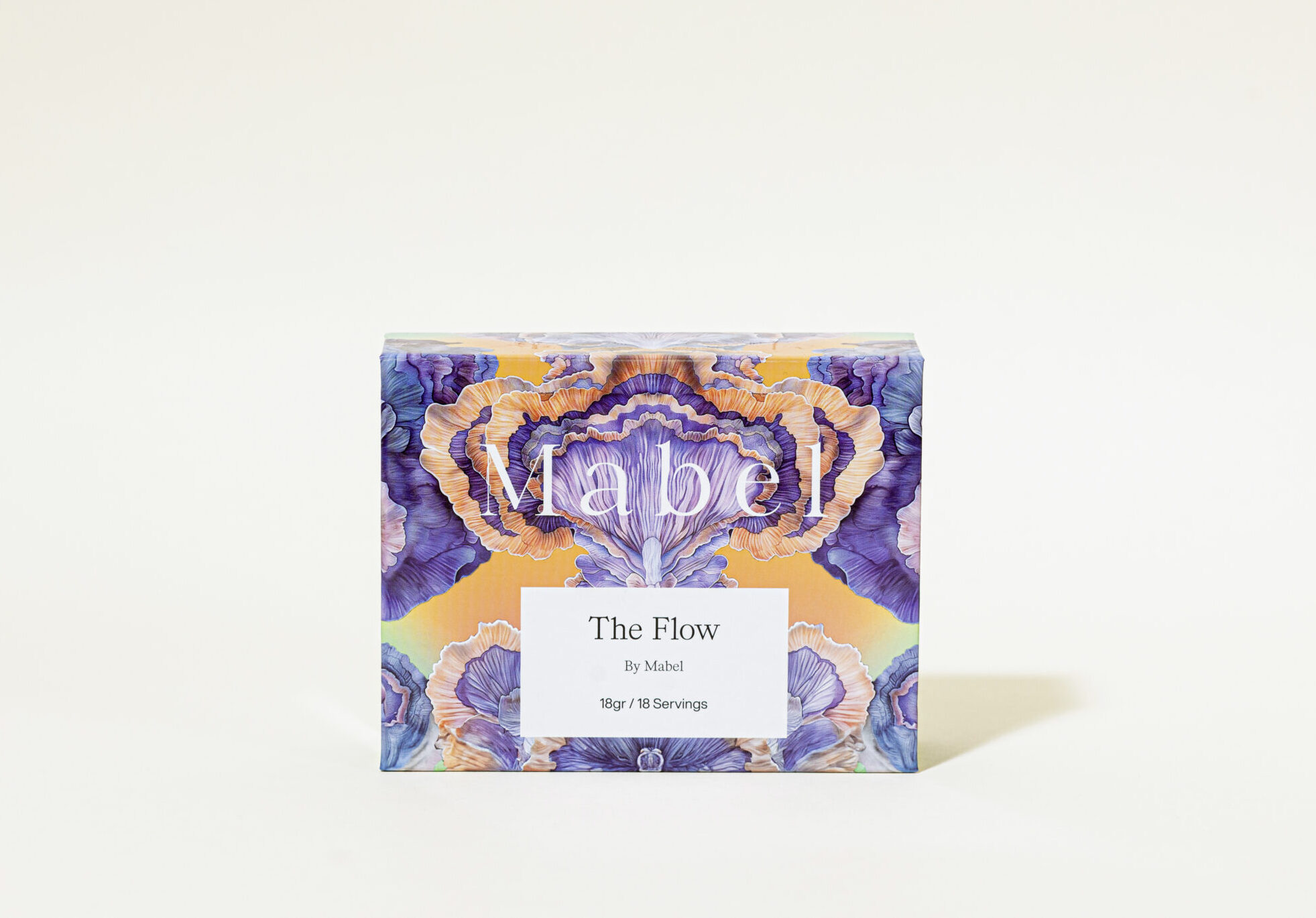
The Flow
For your own practice
Psilocybin truffles for those who already have a microdosing practice and want to continue in their own rhythm.
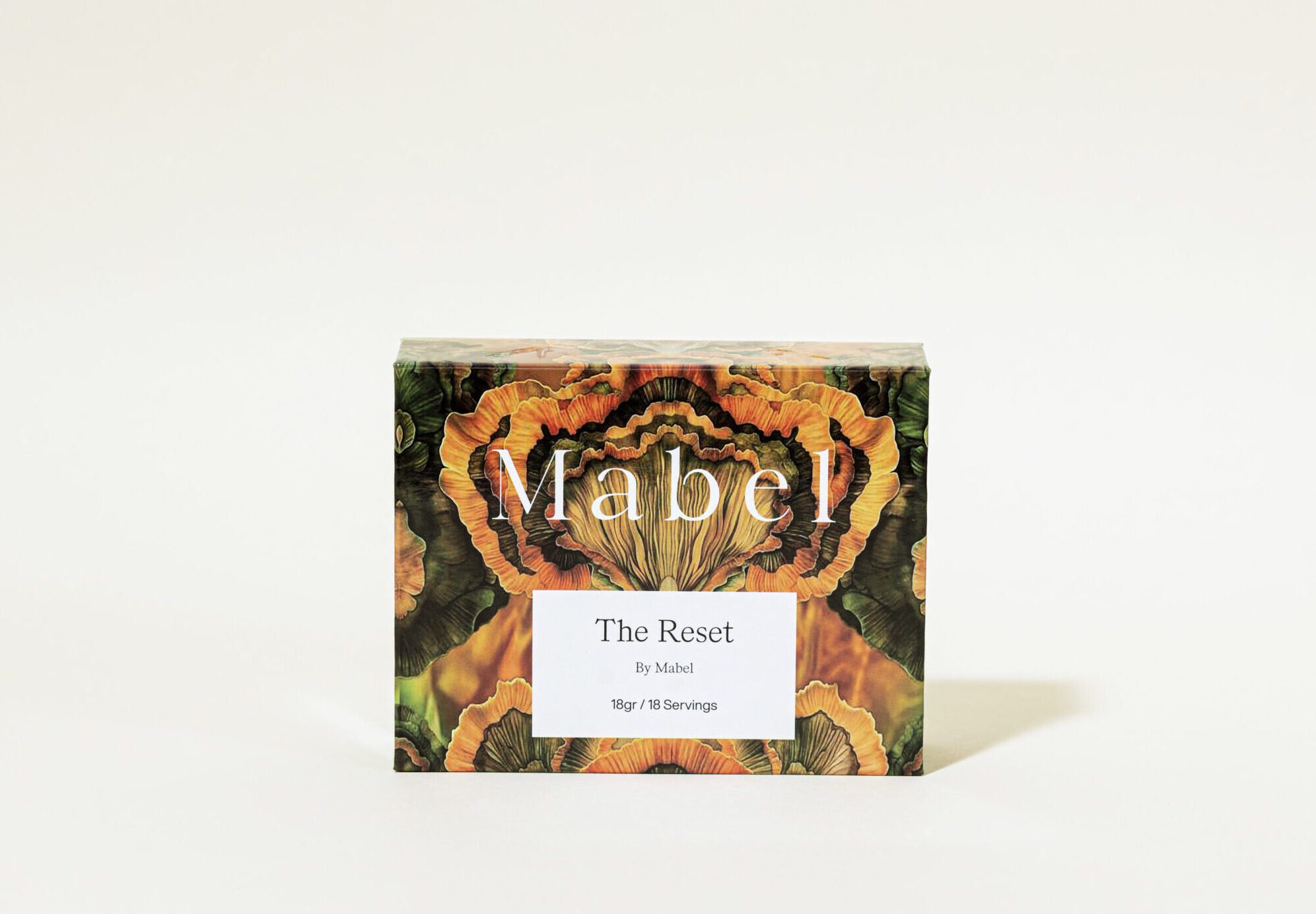
The Reset
A five-week guided program
Microdosing alongside mindfulness and self-compassion classes with psychologist Dr. Shauna Shapiro. Space to listen, reflect and bring what you notice into daily life.
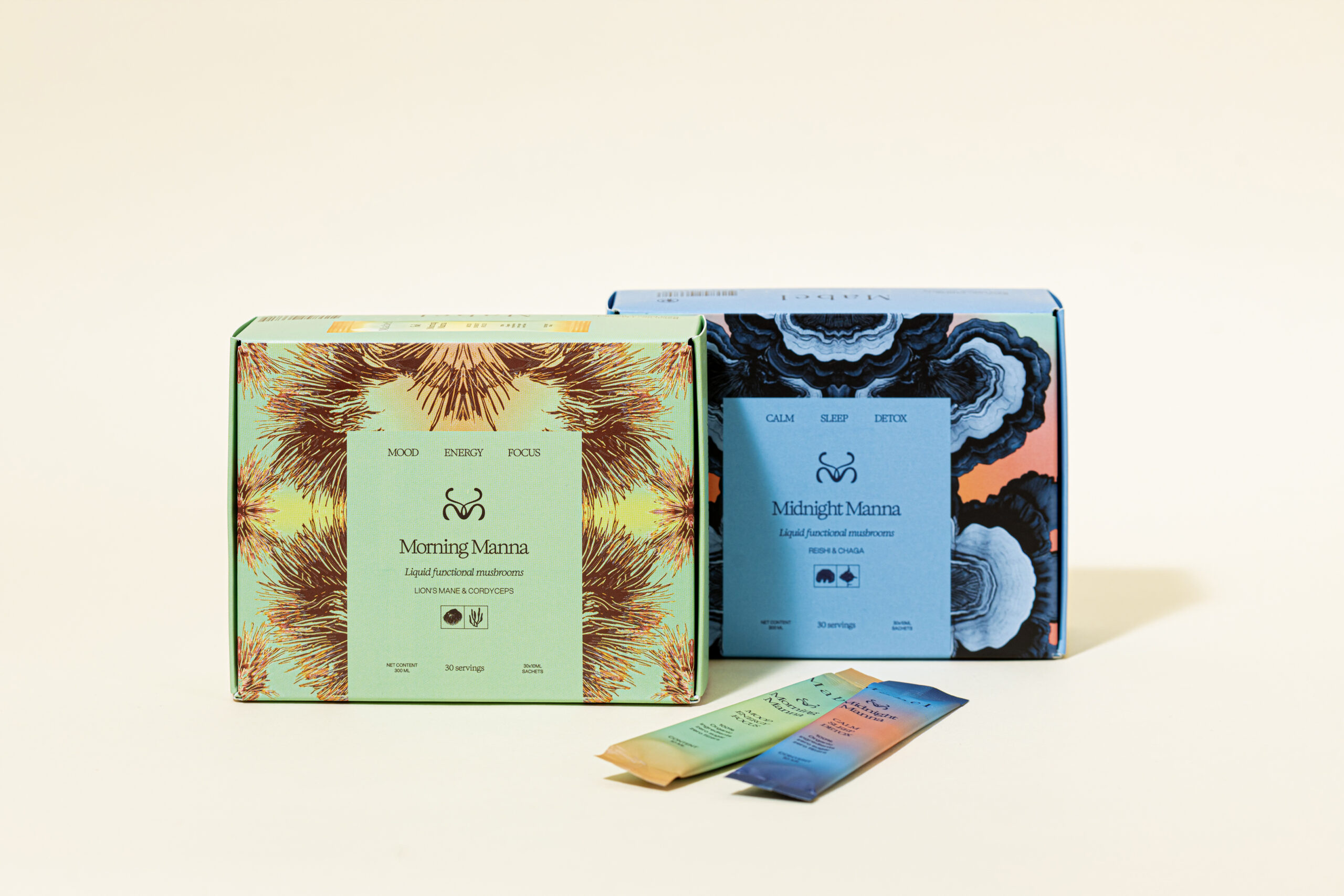
Manna Duo Set
Your morning and evening ritual
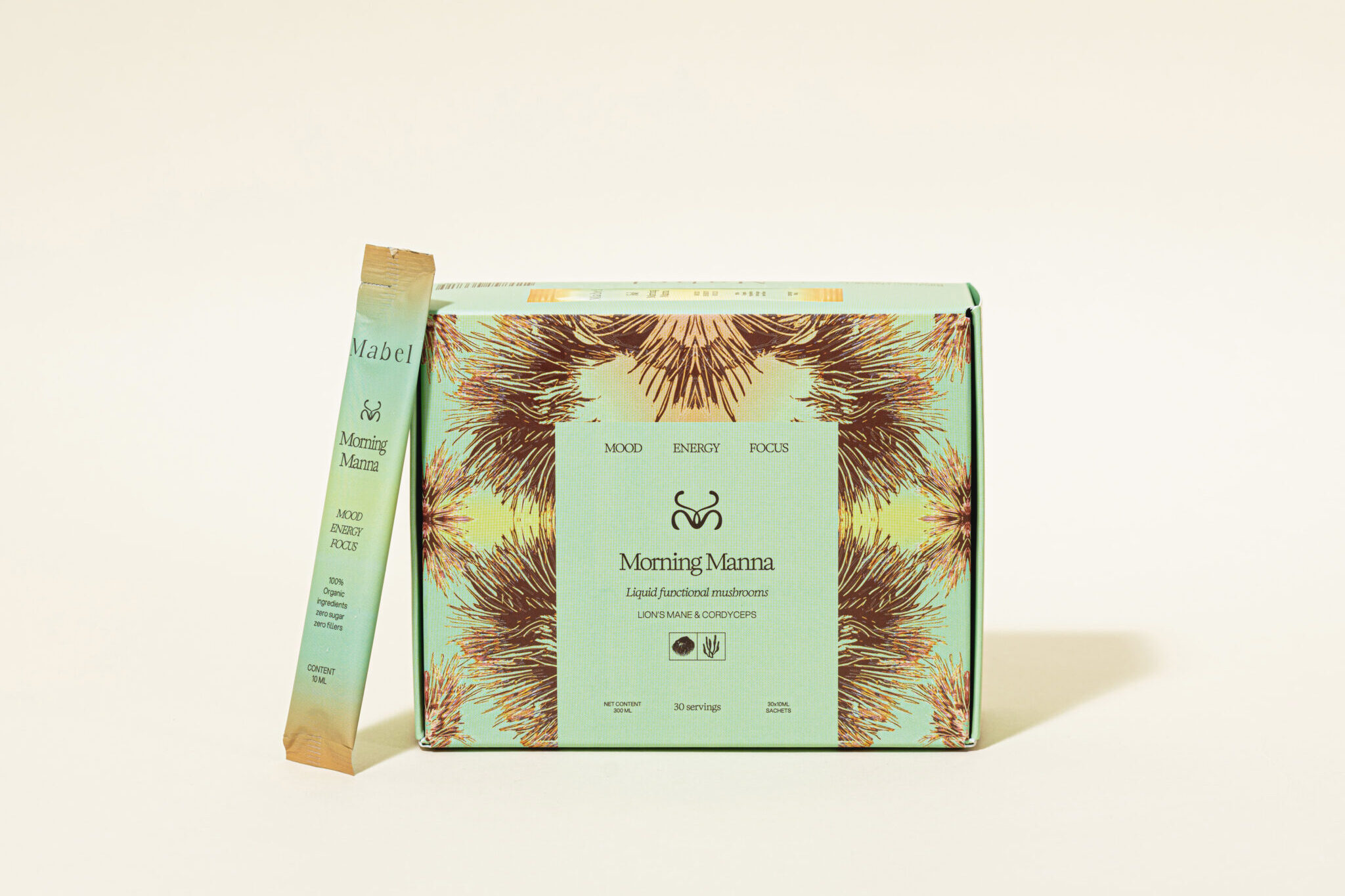
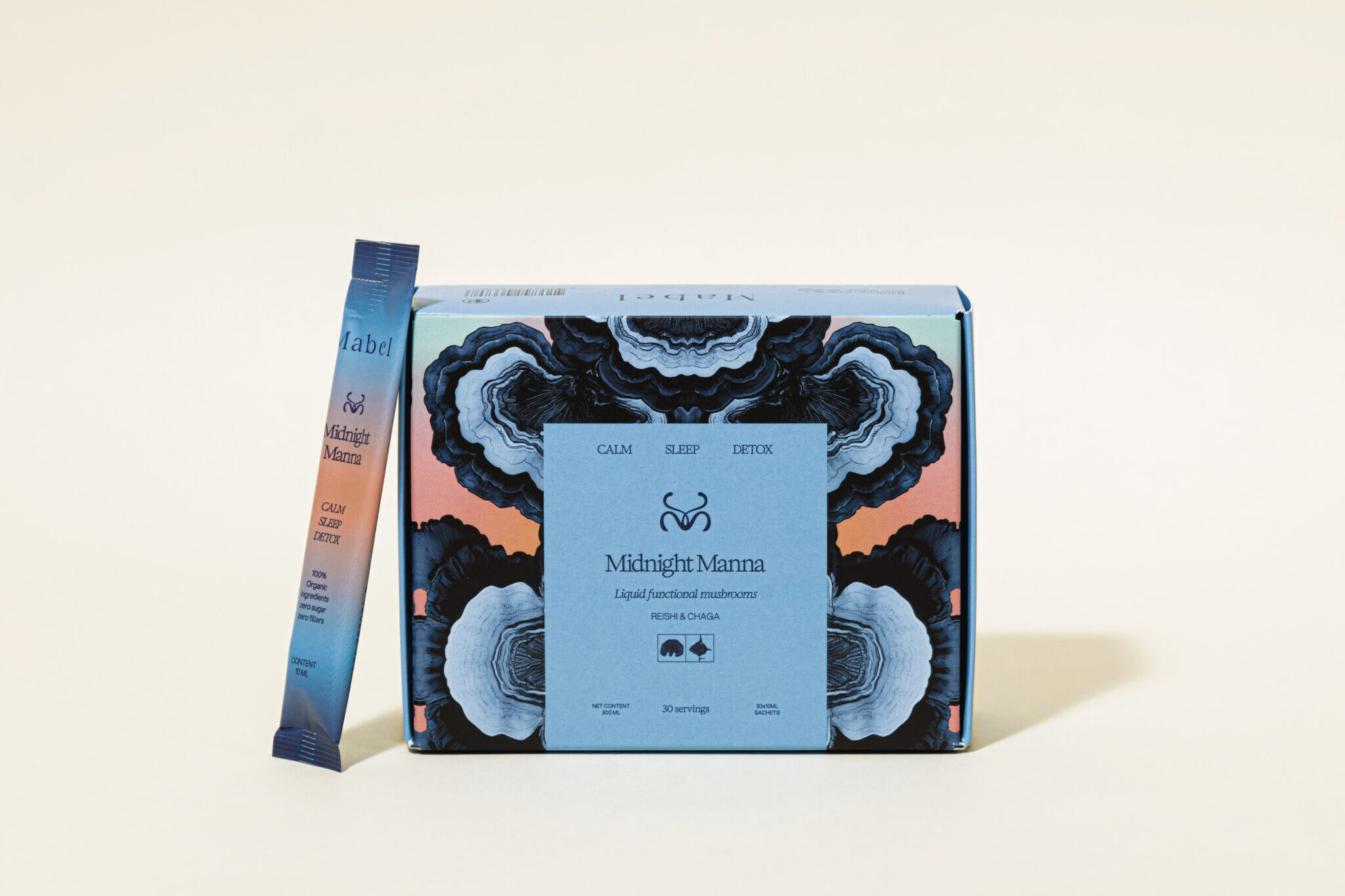
Morning Manna and Midnight Manna pair Lion’s Mane, Cordyceps, Reishi and Chaga in two functional mushroom blends. A separate, psilocybin-free way to make space for yourself.
🐇 The Rabbit Hole
For the curious: why hormones and microdosing belong in the same conversation.
Hormonal change is also brain change. Estrogen helps regulate serotonin signalling, a system involved in mood and emotional processing. Human brain-imaging studies have found changes in serotonin 2A receptor availability after hormone treatment in postmenopausal women. This helps explain why reproductive hormones matter to brain science, beyond fertility and periods.
Here is where the pathways meet. The body converts psilocybin into psilocin, which acts on serotonin receptors, including 5-HT2A. Estrogen influences this signalling system too. This shared biology makes the connection scientifically interesting. It does not establish that psilocybin replaces estrogen, balances hormone levels or reverses the changes of menopause.
Adaptability is another part of the story. Estrogen interacts with BDNF, a protein involved in the brain’s ability to maintain and change its connections. Separately, research in mice has shown new and lasting growth of connections after psilocybin. These findings are a reason to investigate further; they do not prove that a human microdose restores BDNF or clears menopausal brain fog.
The practice matters, too. Midlife asks us to notice what we need, reconsider old roles and make room for a different rhythm. Mindfulness, reflection and self-compassion give that process a place in everyday life. For women exploring microdosing, these practices offer a way to pay attention to their experience rather than expect a dose to do all the work.
A promising connection, with questions still open. Shared pathways are a rationale for research, rather than proof of a treatment. Controlled microdosing trials have not consistently found improvements in mood or cognition beyond placebo, and benefits for menopausal symptoms have not been established. Microdosing is not a replacement for menopause care or prescribed treatment; discuss suitability and medication interactions with a qualified clinician.
Read the research
- Hormone therapy and serotonin 2A receptors in postmenopausal women — a human brain-imaging study.
- Estrogen and BDNF — a review of their complex interaction in the brain.
- Psilocybin and new neural connections — an experimental study in mice.
- A placebo-controlled psilocybin microdosing study — why biological plausibility and demonstrated benefit need to be distinguished.
Mush love,
Pernille

recently viewed products